Stain Removal
🛒 BROWSE PRODUCTS
Professional Stain Removers for Stone, Porcelain & Hard Surfaces
Stains on stone, porcelain, tile, concrete, terrazzo and other hard surfaces often need more than a standard cleaner. At AK Surface Solutions, we supply professional stain removers designed to treat specific types of contamination, including oil, grease, rust, graffiti, paint, ink, coloured stains, tannin, yellowing, moisture marks and deep absorbed staining.
Our stain removal range is selected for stone restoration specialists, contractors, cleaning professionals and DIY customers who need targeted solutions for difficult stains. Whether you are working on natural stone, porcelain tiles, ceramic tiles, concrete, terrazzo, grout, external paving or commercial hard flooring, choosing the correct stain remover is essential for the best result.
Stain Removal Products by Problem Type
Different stains need different chemistry. Oil stains, rust marks, coloured organic stains and graffiti do not respond to the same treatment. This is why our range includes specialist stain removers for individual problems rather than one generic cleaner for every surface.
- Oil and grease stain removers for food oils, engine oil, lubricants, diesel, mineral oils and greasy residues.
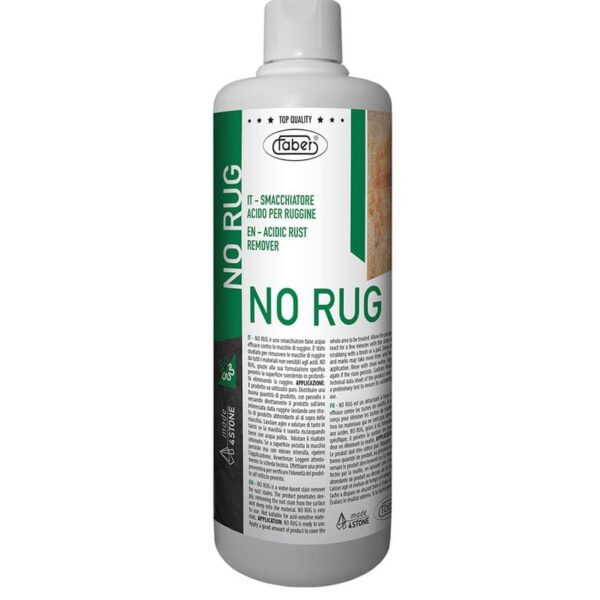
- Rust stain removers for rust marks on acid-resistant surfaces, porcelain, granite, quartz and suitable hard materials.
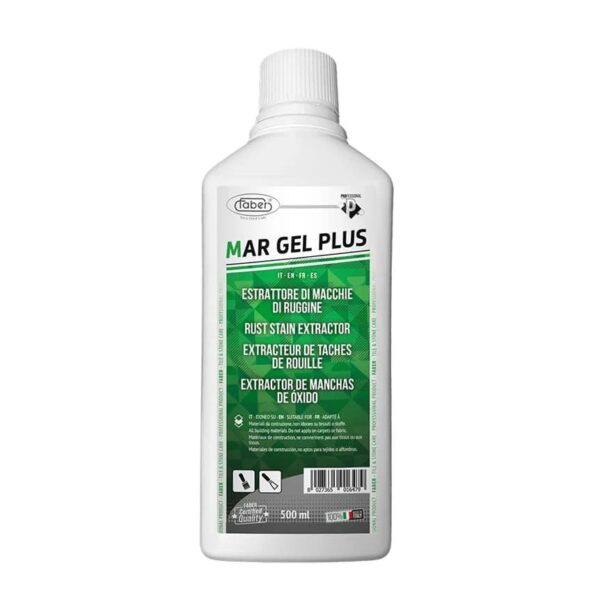
- Rust removers for acid-sensitive stone for materials such as marble, limestone and travertine where standard acidic products may cause damage.
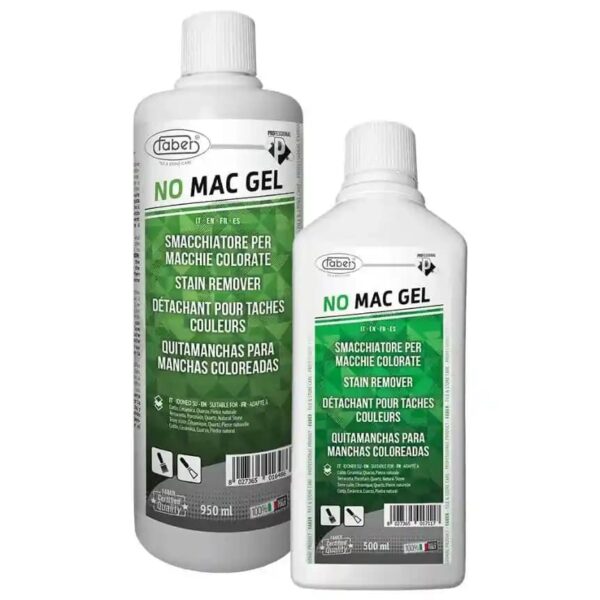
- Coloured stain removers for marks from coffee, wine, tea, ink, food, mould, algae, leaves and organic contamination.
- Yellowing and tannin removers for damp marks, moisture staining, tannin, nicotine and stubborn discolouration.
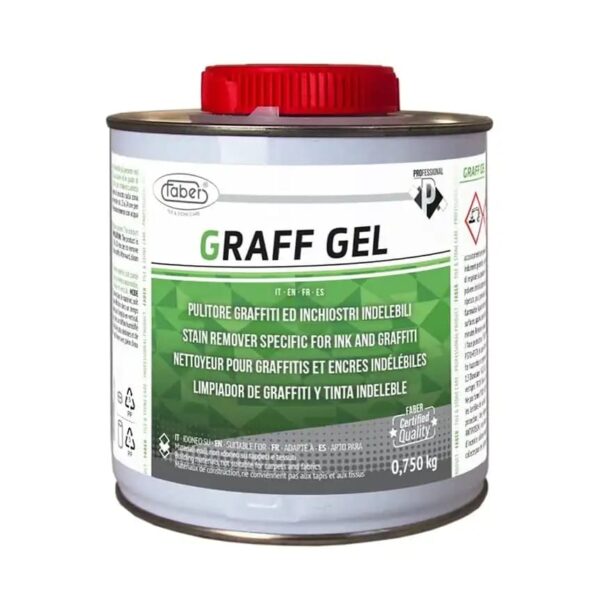
- Graffiti and paint removers for graffiti, paint, permanent ink, synthetic enamels, resins and polyester grout residues.
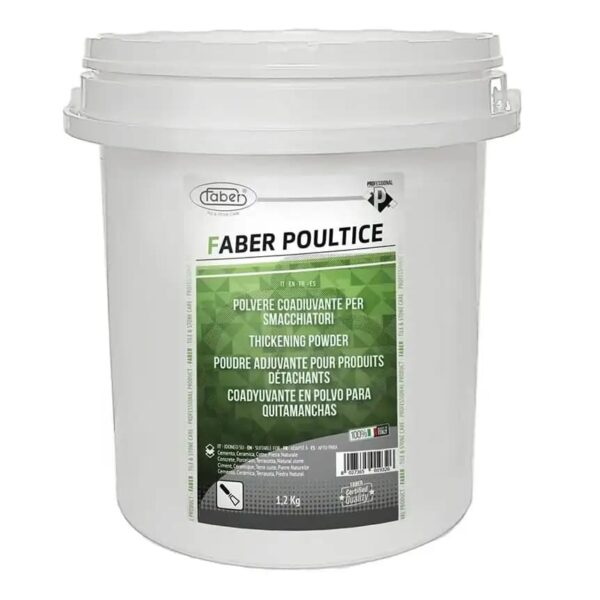
- Poultice systems for drawing deeper contamination out of porous stone and absorbent hard surfaces.
Stain Removers for Natural Stone
Natural stone can absorb staining into the surface, especially porous materials such as limestone, sandstone, travertine, marble and terracotta. A professional stain remover is designed to target the contamination without unnecessary damage to the material.
Some stones are acid-sensitive, which means the wrong product can etch, dull or permanently mark the surface. For this reason, it is important to choose a stain remover that matches both the stain type and the surface type.
Stain Removal for Porcelain, Tile, Concrete and Terrazzo
Porcelain tiles, ceramic tiles, concrete and terrazzo can suffer from oil marks, rust stains, grout residues, graffiti, organic staining and construction contamination. Our range includes professional solutions for both internal and external surfaces, including patios, commercial floors, worktops, bathrooms, kitchens and restoration projects.
Dense materials such as porcelain may need a different approach from porous natural stone. In some cases, a gel, solvent-based product or specialist residue remover may offer better contact time and cleaning performance.
Why Use a Specialist Stain Remover?
- Targets the specific type of stain rather than general dirt
- Helps remove deep contamination from porous materials
- Suitable options for stone, porcelain, tile, concrete and terrazzo
- Professional products for restoration and maintenance work
- Can help reduce permanent staining and surface discolouration
- Ideal for trade users and careful DIY applications
Important Surface Compatibility Advice
Always check product suitability before use. Acid-based rust removers and residue removers should not be used on acid-sensitive stones such as marble, limestone and travertine unless the product specifically states it is suitable. Always test first in a small inconspicuous area, especially on polished, sensitive, sealed or previously treated surfaces.
If you are unsure whether a stain is oil-based, rust, organic, tannin, moisture-related or chemical contamination, contact AK Surface Solutions before applying a product. Correct identification can prevent wasted time and reduce the risk of surface damage.
Professional Stain Removal FAQs
What is the best stain remover for natural stone?
The best stain remover depends on the type of stain and the stone itself. Oil stains, rust marks, coloured stains and organic contamination all require different treatments. Sensitive stones such as marble, limestone and travertine need particular care because they can be damaged by unsuitable chemicals.
How do I remove oil stains from stone, concrete or block paving?
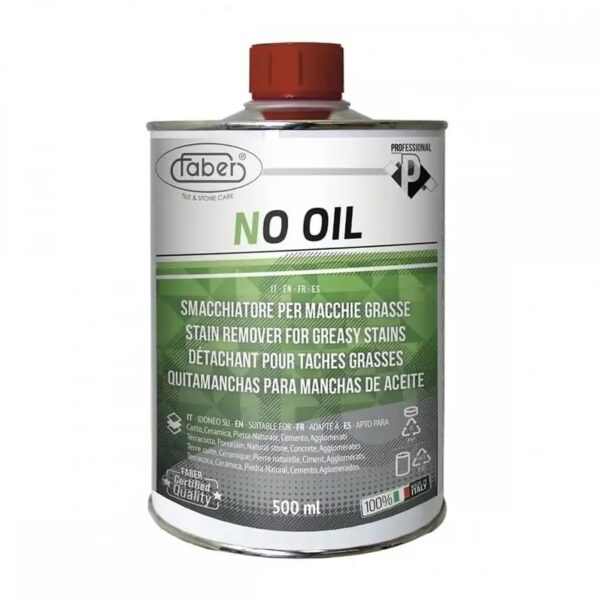
Oil stains normally require a dedicated oil and grease stain remover such as NO OIL. It can be used on many hard surfaces, including natural stone, porcelain, ceramic, concrete, bricks, terracotta and suitable block paving.
NO OIL is applied directly over the oil stain and left until it has fully dried. Once dry, the residue is scraped off and removed from the surface.
For deeper or older oil stains, the treatment may need to be repeated. Porous surfaces such as concrete, brick, terracotta and block paving can absorb oil below the surface, so more than one application may be required to draw out the remaining contamination.
Always test first in a small inconspicuous area and follow the product instructions carefully.
Can rust stains be removed from marble or limestone?
Yes, but marble, limestone and travertine are acid sensitive stones, so standard acidic rust removers should not be used. For rust stains on acid sensitive materials, use MAR GEL PLUS, which is designed for delicate natural stone surfaces.
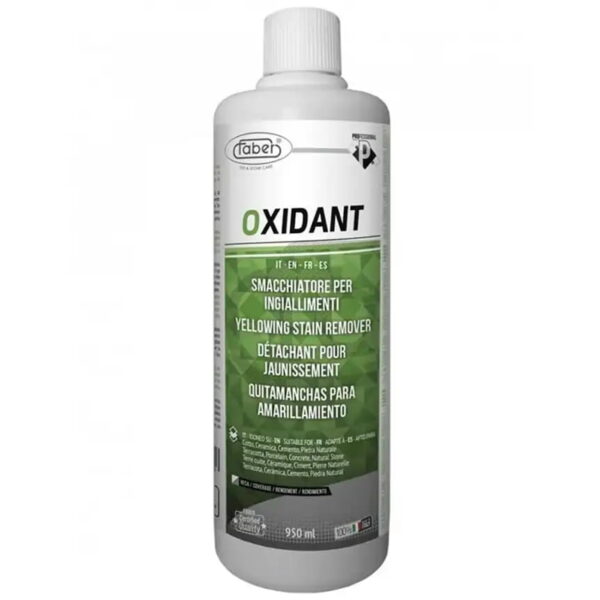
After using MAR GEL PLUS, the rust stain may turn purple. This is part of the reaction process. The area should then be treated with OXIDANT for approximately double the contact time used with MAR GEL PLUS. OXIDANT helps neutralise the purple reaction and complete the stain removal process.
Always test first in a small inconspicuous area and follow the product instructions carefully before treating the full surface.
What removes coffee, wine, ink or organic stains?
Coffee, wine, tea, food marks, mould, algae, leaf staining, dye transfer and other coloured organic stains are normally treated with a specialist stain remover such as NO MAC GEL. These types of stains often need a targeted product rather than a general cleaner.
Always test first in a small inconspicuous area and follow the product instructions carefully.
Can graffiti be removed from stone and hard surfaces?
Yes, many graffiti, paint and ink marks can be treated successfully, but they often need a two stage approach. The graffiti should normally be treated first with EPOXY RESIDUE REMOVER, which is available in our Cleaning Products section.
If any remaining shadowing or coloured staining is left after the first treatment, NO MAC GEL can then be used to help remove the residual stain.
Always check surface suitability before use, especially on sensitive stone, polished surfaces, sealed surfaces or previously treated materials.
What is a poultice stain remover?
A poultice is used to keep the stain removal product active for longer on deeper or more stubborn stains. If a stain remover dries too quickly, the reaction can slow down or stop before the contamination has been fully treated.
FABER POULTICE can be used with most Faber stain removers to help hold moisture and prolong contact time between the stain remover and the surface. Depending on the stain and product being used, the treated area may need to be covered and re moistened with water during the process.
Should the surface be sealed after stain removal?
In many cases, sealing the surface after successful stain removal can help reduce future staining. The surface should be clean, dry and suitable for sealing before any protective treatment is applied.
Need Help Choosing the Right Stain Remover?
If you are unsure which stain remover is right for your surface, contact AK Surface Solutions for practical advice. We can help identify the type of stain and recommend a suitable product for stone, porcelain, tile, concrete, terrazzo, grout and specialist hard surfaces.
After successful stain removal, clean the surface thoroughly using our professional cleaning products before applying any protection.
Once the surface is clean and fully dry, you may wish to protect it with a suitable stone sealer or protection treatment.